

VolleyCountry Stats · Volleyball & statistics
Which volleyball statistics should you track with youth teams?
For youth teams, numbers should support learning. The right metric changes with players' age, experience and the coach's goal.
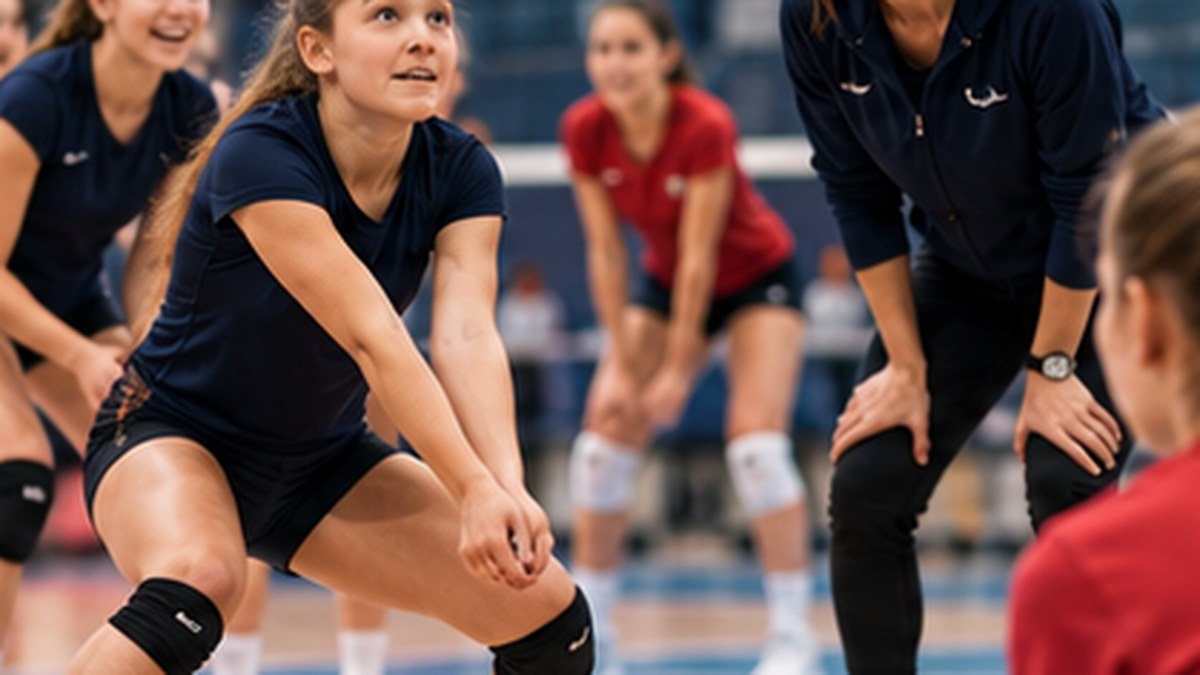
Statistics from an adult elite team cannot simply be applied to youth volleyball. Players are still learning technique, decision-making and teamwork. A single match can be affected by physical maturity, experience with rotations or opponent quality. Numbers need context.
Start with a question, not a ranking
Before recording, a coach can ask: Do we want to improve reception consistency? Teach the team to serve to a chosen zone? See whether we finish rallies after a good pass? A clear goal helps select a few useful metrics.
Simple team indicators work well for younger age groups: points won on our serve, points lost through our own errors, whether we can keep the ball in play after reception and whether we finish rallies with a controlled attack. These can help identify a practice focus, but should not label players.
U14: track skill and development
In the youngest groups, it matters whether a player carried out the intended movement, not only whether the action scored. For reception, track whether the team can handle the ball and continue the play. For serves, both success and intentional placement may matter. Focusing too much on aces can encourage risk that does not support long-term development.
U16: accuracy in specific situations
With more experience, add rotation comparisons, reception quality, attack success after different sets or points by cause. A coach can track a specific game task, such as keeping all attack options after reception or defending the opponent's most common play.
U18 and older: connect to team tactics
Older age groups may benefit from a more detailed review of attack, block, defense and rotations. Players can better understand how individual performance relates to the team system. Still, choose metrics that lead to a change in practice. A detailed report without follow-up is just a spreadsheet.
Be careful when comparing players
Percentages can appear objective, but without attempt counts and situation difficulty they can mislead. A player with fewer attacks may have a higher percentage than someone who handled the hardest balls. One match is also a small sample. Track several matches and consider each player's role and assignment.
Turn numbers into a learning aid
After a match, choose one or two things the team can influence. Show a specific moment on video, explain what worked or what could change, and set a practice goal. Players should understand why a metric matters and how it can help them.
In youth volleyball, good statistics support learning, confidence and better decisions. They do not create the longest ranking of the best and worst players.